Don't let your brain fool you! Get along well!
Hello, this is Nyukio, a professional interviewer.
I am aprofessional interviewer in Kitano-cho, Kobe.
My favorite part of yakiton is kashira.
Including those who have not been recorded, we have interviewed more than 1,217 people.
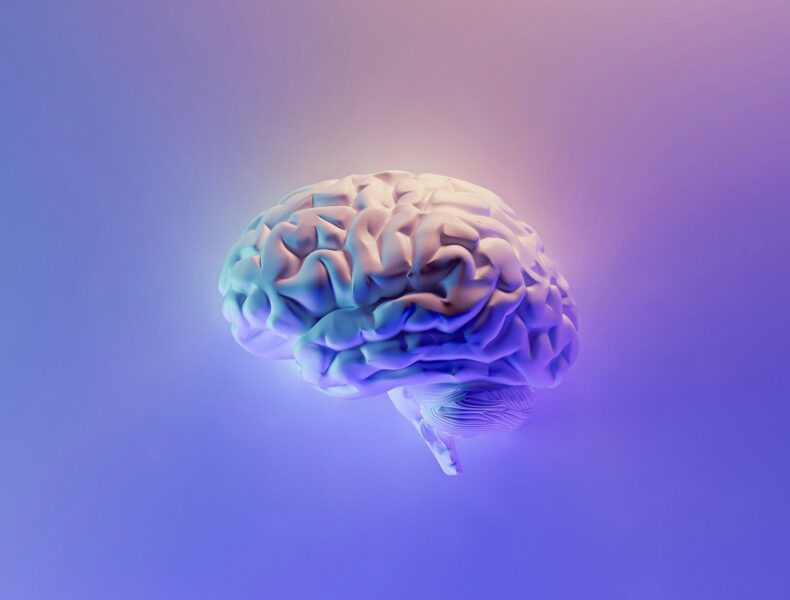
This time, I would like to continue the previous article on "the brain is not such a big organ".
The brain is considered the most important organ of human beings
Isthat really the case???????
introducing the good things about the brain
- process and remember a lot of information
bad parts of the brain
- get fooled quickly
- Large differences in daily performance
- Decline with age
- Becomes unusable due to illness or injury
- I can't remember the dinner I had yesterday
- can't remember the way to my friend's house
- Embarrassing memories of my school days flash back in the shower, and my head almost explodes
And so on.
The brain tends to process information based on past experiences and knowledge that has happened to us, making it susceptible to biases and assumptions, often preventing us from making objective and correct decisions.
- confirmation bias: The tendency to collect only information that supports one's ideas
- Anchoring effect: Tendency to be strongly influenced by the information presented at the beginning
- Halo effect: The tendency to judge a person's personality and abilities based on their appearance and impression
Overcome your brain's biases and assumptions
- Objectively analyze your thought patterns
- Get information from various sources
- think about things from multiple perspectives
stress and fatigue
Stress and fatigue negatively affect brain function. When stress and fatigue accumulate, concentration and memory decrease, and judgment becomes dull.
- Atrophy of the hippocampus: The hippocampus is a brain region involved in memory formation and has been found to atrophy due to stress and fatigue.
- Neurotransmitter imbalance: Stress and fatigue can disrupt the balance of neurotransmitters in the brain, leading to poor concentration and memory.
To reduce stress and fatigue,
- Moderate exercise
- > Get enough sleep
Listening to music and meditating can also reduce stress and fatigue.

relationship between frequency and the brain
In particular, music with a frequency of 4,000 hertz or more is effective for the parasympathetic nervous system.
Manyof Mozart's music contains high frequencies of 4,000 hertz or more, so listening to them before bed will help you get a good night's sleep!
In today's ultra-high-speed, hyper-information society, the brain is actively moving every day.
Fatigue can easily lead to anxiety, fear, and anger, so try to rest your body and your brain while resting your body to make every day brighter and more enjoyable.
If you can use more than 30% of your brain power this interview program is recommended.